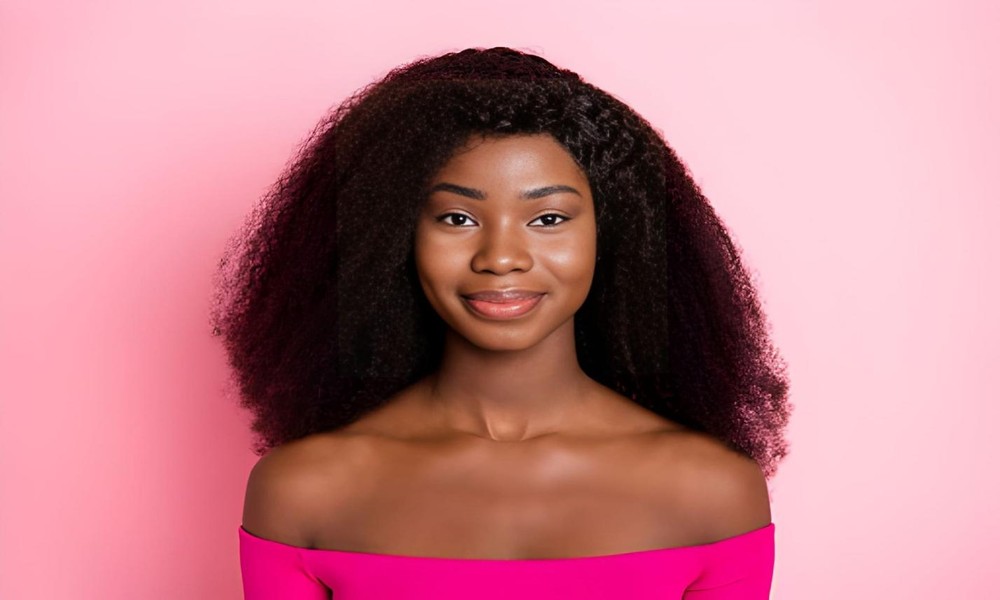
A full, textured blowout look can be beautiful, versatile, and confidence-boosting, but the best install is not only about how the hair looks when you leave the salon. It is also about how your scalp feels, how your natural hair is protected underneath, and whether the style works comfortably with your everyday routine. A good pre-install plan helps you enjoy volume, movement, and a realistic natural-hair finish without ignoring the small details that matter most, such as braid pattern, tension, weight, cleansing, and aftercare.
Start With a Scalp-First Mindset
For textured and natural hair, a blowout-inspired style often looks most realistic when it respects your own density, hairline, and scalp comfort. That is whyKinky Straight Hair Extensions can be a lovely choice for women who want fullness with a soft, natural-looking finish, as long as the install is planned with care.
A scalp-first mindset means you are not choosing beauty at the expense of comfort. Your style should not feel painfully tight, overly heavy, or hard to sleep in. A little firmness during styling can be normal, but sharp pulling, burning sensations, headaches, or sore bumps are signs that something may need to be adjusted.
Prepare Your Hair Before the Appointment
Healthy preparation starts before the first track is placed. Clean hair, a balanced scalp, and properly detangled strands give your stylist a better foundation to work with. If your hair is dry, tangled, or coated with heavy buildup, the install may feel less comfortable and your natural hair may be harder to manage when the style comes down.
For textured or natural hair, preparation should support strength without making the strands stiff or overloaded. If you are comparing this look with smootherStraight Hair Extensions, remember that a coarser blowout-inspired finish usually depends on thoughtful blending, not forceful styling or excessive heat.
A simple pre-install routine may include:
- Cleansing the scalp and hair thoroughly
- Deep conditioning for softness and manageability
- Detangling gently from ends to roots
- Avoiding heavy oils right before braiding
- Letting your stylist know about tender areas or thinning edges
Ask About Tension, Weight, and Placement
One of the most important conversations you can have with your stylist is about comfort. Many women stay quiet when braids feel too tight because they believe tightness means the style will last longer. In reality, a secure install does not have to be painful. A comfortable foundation can still look neat, polished, and long-lasting.
The braid pattern should match the final style and the condition of your natural hair. Smaller braids may create a flatter base, but if they are too tight or too close together, they can stress the scalp. Larger braids may feel more comfortable, but they still need to be arranged well so the finished look lays nicely.
Weight matters too. Very full installs can be glamorous, but too much hair can pull on the cornrows, especially when the hair is long or often worn in ponytails. Ask your stylist how many bundles or pieces are truly necessary for the look you want instead of assuming more is always better.
Build an Easy Aftercare Routine
Once your install is complete, pay attention to how it feels over the next few days. Mild adjustment can happen, but ongoing discomfort should not be ignored. If the style causes headaches, soreness, or pressure around the hairline, contact your stylist instead of forcing yourself to “wait it out.”
Scalp care should be simple and consistent. You do not need to overload the scalp with product, but you should keep it clean, calm, and breathable. Use lightweight scalp products when needed, avoid scratching with sharp objects, and make sure your nighttime routine supports the style without adding stress.
Helpful everyday habits include:
- Wrapping or covering your hair with satin or silk at night
- Avoiding tight ponytails every day
- Using gentle detangling methods on the added hair
- Keeping heat use moderate
- Scheduling takedown before the style becomes matted or uncomfortable
Practical Lifestyle Takeaways
A beautiful textured straight install should fit into your real life. If you work out often, travel regularly, wear hats, or prefer low-maintenance mornings, discuss that with your stylist before the appointment. Your lifestyle can influence the best install method, the amount of hair used, and how much leave-out makes sense.
You should also be honest about your styling habits. If you know you will not wrap your hair every night or carefully detangle the finished style, choose an option that gives you more flexibility. Hair should enhance your routine, not become a daily source of stress.
The best installs are created through balance: realistic texture, comfortable placement, gentle tension, and aftercare that you can actually maintain. Before your next appointment, ask about braid direction, weight, edge protection, maintenance, and takedown timing. A confident install begins before styling starts, and the smartest beauty choices are the ones that help you look good while feeling comfortable every day.