Natural-looking sew-ins have become a favorite protective styling option for anyone who loves the fullness and character of textured hair. Whether your natural strands are tightly coiled, softly curled, or somewhere in between, choosing extensions that complement your texture can make a noticeable difference. Kinky straight hair offers a beautiful balance between the volume of natural hair and the versatility of straight extensions. It creates a realistic, blown-out appearance without looking overly sleek or artificial. From choosing high-quality human hair to achieving a seamless blend, understanding how this texture behaves will help you get better results. This guide covers everything you need to know about selecting bundles, planning your sew-in, exploring flattering hairstyles, and keeping your extensions soft, manageable, and beautiful for longer.
1. What Are Kinky Straight Hair Bundles, and How Do They Compare?
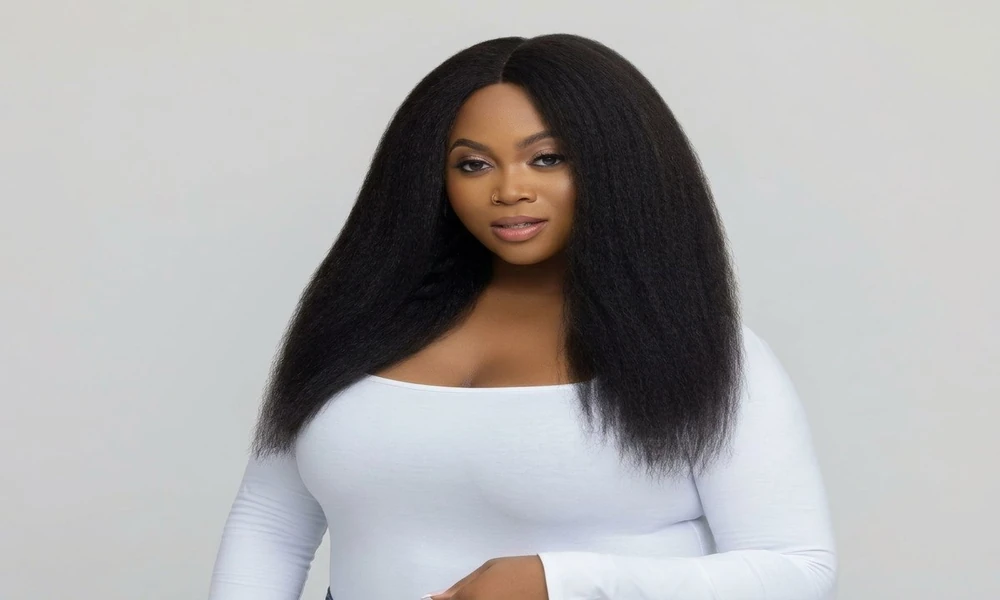
Textured and natural hair has a distinctive fullness that traditional straight extensions sometimes struggle to recreate. That’s whereKinky Straight Hair Bundles come in. These extensions are designed to resemble natural Afro-textured hair after a blowout. They provide the body, softness, and slightly coarse appearance associated with stretched natural strands while offering the convenience of a sew-in installation.
Unlike silky straight extensions, this texture isn’t perfectly smooth or flat. It has subtle bends, a fuller appearance, and a natural-looking finish. When made from quality human hair, the strands should feel soft yet substantial, with enough texture to maintain volume without appearing excessively frizzy.
Understanding the difference between popular straight textures makes choosing easier:
- Kinky straight: Resembles blown-out Afro-textured hair, offering noticeable volume and a slightly coarse finish.
- Yaki straight: Typically imitates chemically relaxed or lightly pressed hair, with a more controlled texture.
- Silky straight: Features a smooth, glossy appearance with minimal texture and less natural-looking fullness.
For someone seeking a realistic blowout-inspired sew-in, kinky straight is often the closest match. However, the best option ultimately depends on your natural texture, styling preferences, and desired finish.
2. Choosing Quality Human Hair and the Right Number of Bundles
Natural hair textures such as 4A, 4B, and 4C can work beautifully with blown-out extensions. Type 4A hair generally has more defined coils, while 4B and 4C textures often feature tighter patterns and greater shrinkage. Although kinky straight extensions won’t perfectly match every curl pattern in its untouched state, they can blend convincingly when natural hair is gently stretched or blown out.
Textured natural hair also deserves styling flexibility. If you’re exploring temporary volume without committing to a sew-in, theBest Kinky Straight Hair Clip Ins can offer a convenient alternative. Clip-in extensions allow you to add fullness or length for special occasions and remove them afterward, making them particularly appealing to people who frequently switch hairstyles.
When shopping for sew-in bundles, prioritize genuine human hair with intact, consistently aligned cuticles where possible. Look for secure wefts, balanced density, minimal excessive short strands, and clear information about processing. Raw hair generally refers to hair that has not undergone chemical texture processing, so ask sellers how a particular kinky straight pattern was achieved rather than relying on the label alone.
The number of bundles you’ll need depends on the length, fullness, head size, and installation method. As a general starting point:
- 12-14 inches: Usually 2 bundles for moderate fullness.
- 16-20 inches: Approximately 2-3 bundles.
- 22-26 inches: Usually 3-4 bundles.
- 28-30 inches: Around 4-5 bundles for a fuller appearance.
Longer bundles contain fewer strands across their length when sold at the same weight, so additional bundles may be necessary. Because this texture naturally appears voluminous, avoid installing excessive hair that could feel unnecessarily heavy.
3. Sew-In Installation, Natural Blending, and Seven Hairstyles to Try
Your installation method plays a major role in the final appearance. A leave-out sew-in allows a small section of your natural hair to cover the tracks, creating a convincing finish when the textures blend. A closure covers a smaller top area, reducing the amount of natural hair exposed. Meanwhile, a frontal extends across the front hairline, offering greater parting flexibility but usually requiring more installation and maintenance work.
For the most natural blend, begin with clean, conditioned hair. Gently stretch your leave-out using low-tension techniques, such as banding or a carefully controlled blow-dry. Apply heat protectant whenever using heated tools, and avoid repeatedly flat-ironing your edges to force a match. Your extensions should complement your natural texture, not require damaging styling habits to look believable.
Once installed, try these seven flattering hairstyles:
- Middle-part blowout: A timeless look featuring balanced volume on both sides.
- Deep side part: Creates movement and an elegant, face-framing effect.
- Layered shoulder-length bob: Offers manageable fullness with a polished finish.
- Half-up, half-down: Combines a playful lifted section with flowing lengths.
- Soft wand curls: Adds gentle definition and romantic movement.
- Low ponytail: Keeps the look neat while highlighting the hair’s natural body.
- Loose layered blowout: Creates a relaxed, salon-inspired appearance with beautiful dimension.
Choose styles that suit your installation. For example, a closure may limit parting options, while a frontal or strategically placed leave-out offers greater flexibility. Avoid tight ponytails that place unnecessary tension on your scalp or braided foundation.
4. Washing, Styling, and Maintaining Kinky Straight Extensions
Proper care helps textured extensions retain their softness and movement. Wash the hair approximately every one to two weeks, adjusting according to product buildup, activity level, and scalp needs. Use lukewarm water and a gentle shampoo, working downward instead of aggressively rubbing the strands together. Follow with a moisturizing conditioner, paying particular attention to the mid-lengths and ends.
Detangle gently with your fingers or a wide-tooth comb, beginning at the ends and moving upward. Support the wefts while combing to minimize unnecessary pulling. After rinsing, blot excess water with a microfiber towel and allow the hair to dry thoroughly. If you’re wearing a sew-in, ensure the braids underneath dry completely as well. Remaining moisture can contribute to unpleasant odors and scalp problems.
Workouts and humid weather can make natural leave-out revert faster than the extensions. To maintain a consistent appearance, wrap or loosely secure your hair before exercising, then allow your scalp to cool and dry afterward. Lightweight anti-humidity products may help control frizz, while satin bonnets or pillowcases reduce overnight friction.
Quality human hair extensions can often be curled, straightened, or colored, but results depend on how the hair was sourced and processed. Use heat conservatively, test a small section first, and remember that frequent high temperatures can loosen the textured finish. Coloring, especially bleaching, may cause dryness or damage, so professional assistance is advisable.
To reduce tangling and shedding, avoid heavy product buildup, rough brushing, and excessive manipulation. A little lightweight leave-in conditioner can improve manageability without weighing the hair down. If fullness begins to disappear, review your cleansing and styling routine before adding more products.
5. How Long Do the Bundles Last? Plus Frequently Asked Questions
Well-maintained human hair bundles may remain reusable for several months to a year or longer, depending on quality, processing, styling frequency, and care. However, the sew-in itself should not remain installed indefinitely. Many people schedule maintenance or removal around six to eight weeks, although scalp condition, braid tension, and new growth can require earlier attention.
To reuse your extensions, remove the stitches carefully without cutting the wefts. Detangle, shampoo, condition, and dry the bundles completely before storage. Keep them in a clean satin bag or breathable storage container away from moisture. Proper storage helps preserve their shape and reduces unnecessary tangling between installations.
Frequently Asked Questions
Can I wear kinky straight extensions without straightening my natural hair?
Yes. A closure or frontal can minimize leave-out, allowing you to protect your natural texture without regularly applying heat.
Do these extensions become frizzy in humidity?
Some frizz is normal, especially with textured human hair. Gentle conditioning, humidity-resistant styling products, and protective nighttime care can help maintain a polished appearance.
Are kinky straight bundles suitable for everyday wear?
Absolutely. Their natural-looking fullness makes them versatile for everyday hairstyles, professional settings, and special occasions.
Can I sleep with my sew-in loose?
You can, but loosely braiding or wrapping the hair and covering it with satin helps reduce friction, tangles, and unnecessary dryness.
How do I know when my bundles need replacing?
Persistent matting, excessive breakage, severely thinning ends, or a noticeable decline in manageability may indicate that replacement is necessary.
Ultimately, achieving a beautiful kinky straight sew-in comes down to selecting quality hair, choosing an appropriate installation method, and maintaining a consistent care routine. With thoughtful styling and gentle maintenance, you can enjoy the fullness of a natural blowout while keeping your look versatile, comfortable, and effortlessly realistic.