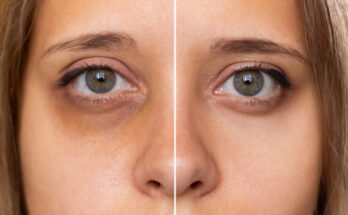

Skin pigmentation is one of the most common skincare concerns, affecting people of all ages and skin types. Whether it shows up as dark spots, acne marks, melasma, or uneven skin tone, pigmentation can make the skin look dull and tired. The good news is that with the right skincare routine and effective pigmentation cream, it is possible to visibly reduce pigmentation and restore a healthy glow.
What Causes Skin Pigmentation?
Pigmentation occurs when the skin produces excess melanin. This can be triggered by several factors, including sun exposure, hormonal changes, acne scars, aging, and inflammation. Prolonged sun damage is one of the biggest contributors to hyperpigmentation, which is why many people notice dark spots becoming more visible over time.
Understanding the cause of your pigmentation is important, but a consistent skincare routine is what truly makes a difference.
Why Using Pigmentation Cream Matters
A targeted pigmentation cream is designed to reduce dark spots, even out skin tone, and improve skin clarity. Unlike regular moisturizers, these creams contain active ingredients that work on melanin production and skin renewal. When used regularly, good pigmentation cream can help fade existing spots and prevent new ones from forming.
Face creams for pigmentation often include ingredients that brighten the skin, support cell turnover, and strengthen the skin barrier. The key is patience—visible results usually appear with consistent use over several weeks.
Simple Skincare Tips to Reduce Pigmentation
Cleanse Gently, twice a Day
Harsh cleansers worsen skin pigmentation as they irritate the skin. Use a mild cleanser that removes dirt and excess oil without stripping the skin. Clean skin allows pigmentation creams to absorb better and work more effectively.
Use Face Creams for Pigmentation Daily
Applying pigmentation daily, especially at night, helps support skin repair and renewal. Nighttime is when the skin naturally heals, making it the ideal time to target dark spots and uneven tone.
Never Skip Sunscreen
Sun exposure can undo all your efforts. Even the best face creams for pigmentation won’t work if the skin is not protected from UV rays. Daily sunscreen use prevents further darkening of spots and protects the skin from future pigmentation.
Avoid Picking or Scrubbing
Picking acne or over-exfoliating can cause post-inflammatory hyperpigmentation. Be gentle with your skin and avoid aggressive treatments that may trigger more melanin production.
Keep Skin Hydrated
Well-hydrated skin heals faster and looks brighter. Using a moisturizer along with your pigmentation cream helps maintain a healthy skin barrier and improves overall texture.
Ingredients to Look for in Pigmentation Products
When choosing face creams for pigmentation, look for ingredients known to improve skin tone and clarity. These may include brightening agents, antioxidants, and botanical extracts that help reduce dark spots and support even skin tone. Consistent use of well-formulated products can make a noticeable difference over time.
Consistency Is the Real Secret
Treating pigmentation is not an overnight process. Results depend on regular application, sun protection, and patience. Switching the products frequently or skipping days can slow progress. Stick to a simple routine, allow your skin time to adjust, and trust the process.
Clear, Even Skin Is Achievable
Pigmentation may be stubborn, but it’s not permanent. With the right skincare habits and an effective pigmentation cream, you can gradually fade dark spots and achieve a more even, radiant complexion. Simple steps, taken consistently, are often the ones that work best.
Healthy skin isn’t about perfection, it’s about care, protection, and balance.