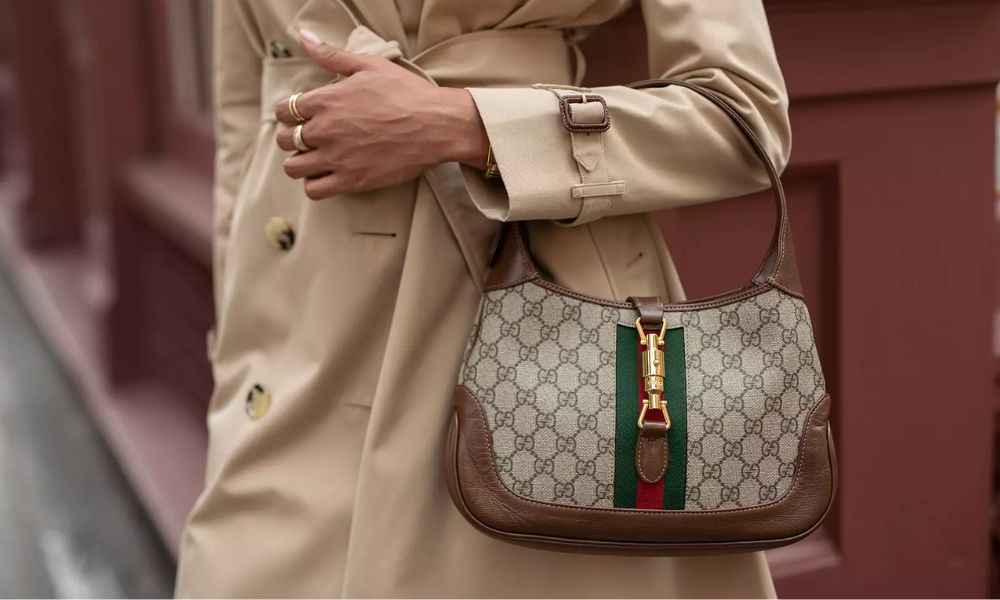
People usually stick to what they already know. Not always because it is the best option, but because it feels easy. That is how a shoulder bag ends up staying in daily use for a long time. You do not think about it much. You just keep using it.
Why familiarity influences daily choices
Familiar things remove small decisions. You already know how to use them. No checking. No adjusting again and again. It just fits into your day.
And once that feeling settles in, trying something new feels like extra effort for no real reason. So people stay with what they know.
Comfort levels with repeated use
At the beginning, you notice everything. The strap, the weight, how it sits. After a few days, that awareness fades.
You pick it up, carry it, drop it somewhere. All without thinking. That kind of comfort builds slowly. And once it is there, it is hard to replace.
Situations where simple designs work best
Daily life is not complicated most of the time. So simple things work better.
- Running quick errands
- Short trips outside
- Meeting someone casually
- Moving between places without stopping much
You do not want to think about what you are carrying in these moments. You just want it to work.
How routine shapes personal style
People think style is a choice. But routine shapes it more than expected. What you carry daily becomes part of how you look.
Not planned. Just repeated. And after a while, it feels like your own style, even if you never thought about it that way.
There is also this point where you stop looking for alternatives. Not because nothing else exists, just because you already have something that works.
Small adjustments people make over time
Even with the same type, people keep adjusting small things.
- Changing strap length slightly
- Keeping items in fixed spots
- Switching sides while carrying
- Adjusting it without noticing
These are tiny changes. But they make daily use smoother.
Why function slowly becomes more important
At first, how it looks might matter more. Later, how it works starts to matter more.If something feels easy, you keep it. If it feels annoying, you stop using it.
This shift is slow. You do not notice when it happens. Not everyone follows the same pattern though. Some people change styles often.
When habits feel stronger than new choices
New things always feel slightly unfamiliar at the start. Even if they are better in some ways. But habits feel easier. You go back to what feels natural.
And that is usually what stays.
How everyday movement shapes preferences
Daily movement plays a role in these choices. Walking, sitting, picking things up, putting them down. Small actions like that. If something fits into that without getting in the way, it stays.
You barely notice it. And that is kind of the point. Some days it might feel slightly different. But most days, familiarity wins.
Why simple carry styles remain common
Simple options stay because they do not ask for attention. They are easy to carry. Easy to use. Easy to trust. That is enough for most people.
Right before ending, it becomes clear how a shoulder bag stays part of daily life just because it works without effort.
Most daily choices are shaped by comfort and habit. Familiar carry styles stay because they feel natural and require no extra thinking.
Over time, that ease becomes routine. And once something becomes part of routine, it usually stays without needing a reason.