Gold coins are one of the easiest kinds of gold to sell, and one of the easiest to sell badly. The problem is rarely the coins themselves. It is choosing the right buyer, because the businesses that buy coins in New York value them in very different ways, and the gap between their offers can be large.
Search for coin dealers nyc and you will find three very different kinds of business mixed together. Some are traditional coin dealers who specialize in collectible coins. Some are bullion buyers who deal mainly in modern coins and bars. Others are refiners who buy gold of every kind for its metal content. Each is the right choice for some coins and the wrong choice for others, so the first job is working out what you actually have.
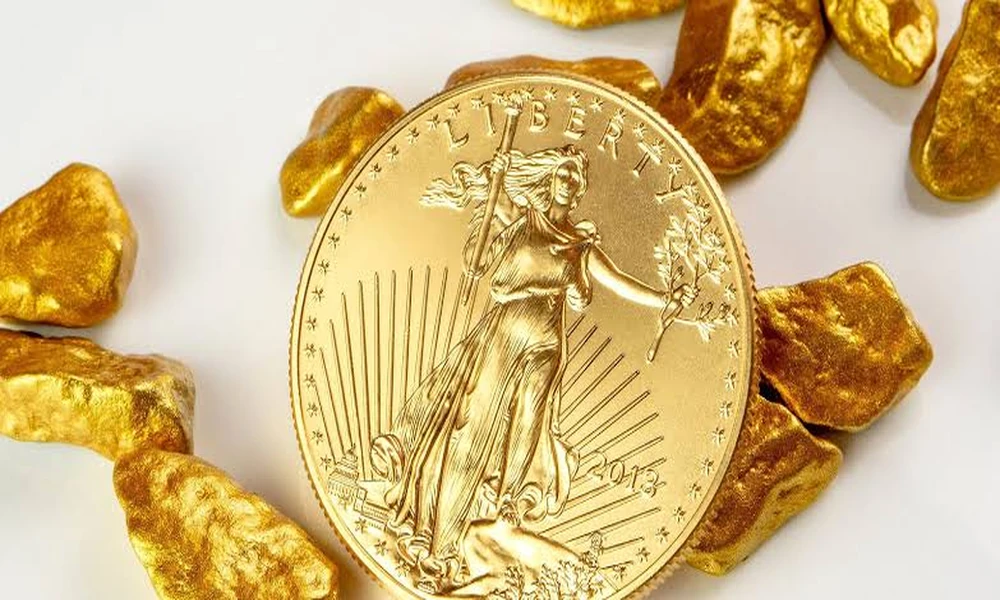
Modern bullion coins, such as the American Gold Eagle, the American Gold Buffalo, the Canadian Maple Leaf, the Austrian Philharmonic and the South African Krugerrand, are valued almost entirely on their gold content. A one ounce Eagle or Krugerrand contains a full troy ounce of pure gold, even though the coin weighs a little more because of the alloy that hardens it. These coins trade close to the spot price, and any offer should be easy to check against the day’s gold price and the number of ounces you hold.
Collectible coins are another matter. Pre-1933 United States gold, such as Liberty Head and Saint-Gaudens double eagles, often carries a premium above its melt value, and a rare date, an unusual mint mark or exceptional condition can push that premium much higher. Coins graded and sealed in holders by services such as PCGS or NGC carry their grade with them, so leave them sealed. Proof coins are worth more with their original mint packaging and certificates, so keep those together.
Not every gold coin is a famous bullion design, either. British sovereigns, Mexican 50 peso pieces and Swiss 20 franc coins turn up in many family collections, and each contains a different amount of gold. Most are valued on their gold content, which is why a good buyer identifies every coin by type before quoting rather than weighing the pile as one lot. Coins set into jewelry, such as a pendant with a coin in a gold bezel, can be sold too, and the mount is usually valued separately.
This is where the type of buyer makes the difference. A refiner who only pays melt value will treat a scarce double eagle like any other ounce of gold, and you could leave a large premium on the table. A collector-focused shop, on the other hand, may recognize the premium but pay less attractively on a tube of modern bullion. If you want to sell gold coins nyc buyers who value every coin both ways, as metal and as a collectible, and pay you the higher of the two, are the strongest choice.
Bars follow the bullion rules. A bar from a recognized refiner such as PAMP Suisse, Valcambi or the Perth Mint, with its serial number and assay card, is quick to verify and trades close to spot. Unbranded or older bars are still perfectly sellable, but the buyer will want to test them, which takes a little longer. If you plan to sell gold bullion nyc buyers will move fastest when bars are still in their original packaging, with any assay cards and purchase receipts alongside.
A few rules protect the value of any coin. Never clean coins, because cleaning strips the original surface that collectors pay for. Handle them by the edges and keep them in whatever holders they came in. Make a simple list of what you have, including the coin type, year and quantity, so you can check any offer line by line. And sell in person if you can. Posting coins to a remote buyer means trusting both a courier and a business you cannot see, and remote offers have a habit of shrinking once the coins arrive.
New York makes the in-person route easy. The Diamond District on West 47th Street has licensed buyers who test, weigh and value coins and bars every day, and several of them are working refiners connected directly to the wholesale gold market. That short chain is why they can pay close to spot on bullion while still recognizing collectible coins for what they are.
Selling gold coins well comes down to matching the coin to the buyer. Separate bullion from collectible pieces, leave graded coins sealed, never clean anything, keep packaging and paperwork together, and choose a licensed buyer who values each coin as both metal and collectible. Do that, and whether you hold a single double eagle or a tube of Maple Leafs, you will be paid for what your coins are really worth.