
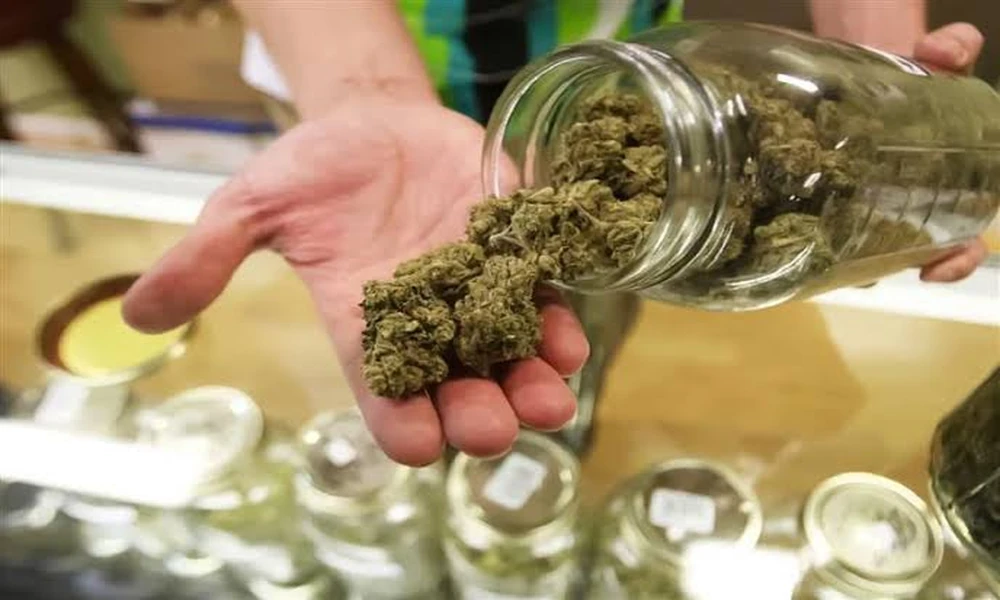
Hemp product labels and dispensary menus use terminology that assumes familiarity, which most new buyers do not have. Misreading a single term changes the purchase entirely. Exhale Well span multiple cannabinoid categories and formats, and the twelve terms below appear across that range consistently enough that getting them wrong produces real consequences at the point of selection.
- Indica and sativa
These two classifications describe plant morphology, not guaranteed effect outcomes. Indica plants grow shorter and broader. Sativa plants grow taller with narrower leaves. The retail association between indica and sedation or sativa and stimulation reflects general terpene tendencies across those plant types rather than a chemical guarantee.
- THCA versus THC
THCA is the acidic precursor to THC present in raw hemp flower. It is not intoxicating in its unconverted form. Heating converts THCA to THC through decarboxylation, which is what produces the active cannabinoid effect. A flower product displaying 24% THCA is not delivering 24% active THC.
- Full spectrum versus broad spectrum
- Full spectrum retains all cannabinoids, terpenes, and plant compounds present in the source material above detection thresholds.
- Broad spectrum removes specific compounds, most commonly THC, through additional processing while retaining others.
- Isolate products contain a single purified cannabinoid with everything else removed.
- Labels using these terms without COA documentation to confirm compound composition leave the distinction unverifiable at the point of purchase.
- Distillate
Distillate is a refined extract, not raw oil. Multiple processing stages concentrate the target cannabinoid and remove most plant compounds, including naturally occurring terpenes. Terpenes reintroduced after processing are typically botanical or isolated compounds rather than the plant’s original profile.
- Live resin
Live resin is extracted from freshly frozen plant material rather than dried biomass. Freezing at harvest preserves terpenes and minor cannabinoids that degrade rapidly during standard drying. The result is an oil with higher terpene concentration and more strain-specific flavour character than distillate or conventionally extracted oil.
- Terpenes
Terpenes are aromatic compounds found in hemp and cannabis. In addition to flavour and aroma, they affect the overall compound profile of a product. Hemp products commonly contain myrcene, limonene, caryophyllene, and linalool.
- Decarboxylation
Decarboxylation is the chemical process through which acidic cannabinoid precursors convert to their active forms. THCA converts to THC. CBDA converts to CBD. Heat drives this conversion, which is why raw hemp flower must be combusted or vaporised to deliver active THC rather than the THCA percentage displayed on the label.
- COA
Certificate of analysis. A document produced by a third party accredited laboratory that reports the results of independent testing on a specific batch of hemp product. COAs cover cannabinoid potency, residual solvents, pesticides, heavy metals, and, in some cases, terpene profile.
- Rosin
Rosin is a solventless extract produced through heat and mechanical pressure applied to plant material or hash. No chemical solvents are involved at any stage of production. The output retains the full compound profile of the source material without residual chemical presence.
- Hemp versus marijuana
Both are Cannabis sativa plants. Federal classification separates them by total THC concentration. Hemp is defined as cannabis containing 0.3% total THC or below on a dry weight basis. Marijuana exceeds that threshold. Hemp derived cannabinoid products operate under this classification regardless of which specific cannabinoid they contain or what effect that cannabinoid produces.
- Entourage effect
A term describing the interaction between cannabinoids, terpenes, and other plant compounds in full spectrum products. The premise is that compounds present together produce a different experience than isolated cannabinoids at equivalent concentrations. The term appears frequently in product marketing and describes a real pharmacological concept that remains an active area of research rather than a fully established mechanism with agreed parameters.
- Bioavailability
Bioavailability describes the proportion of a consumed cannabinoid that reaches systemic circulation and produces an effect. Different consumption formats carry different bioavailability rates. Inhalation delivers cannabinoids to the circulation faster and at higher rates than oral consumption.
Twelve terms, each one used routinely on product labels and in retail contexts without definition. Knowing what they actually describe changes how any hemp product label is read before a purchase is made.
